


The obliteration of life in Lebanon
Ecocide and the obliteration of life in Lebanon
by Stefanie Khoury
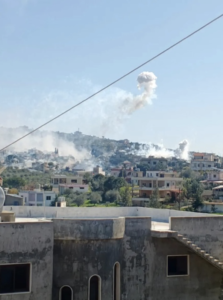
Following the February 28th attack on Iran by Israel and the United States that killed Ayatollah Ali Khamenei, Hezbollah retaliated with a series of rockets on March 2nd. Israel responded by expanding its military operations northward, drawing Lebanon into a new and intensified phase of the war. In just a few weeks, 1 million people have been displaced in Lebanon – one-fifth of the population – and over 1000 people, including more than 100 children, have been killed, with numbers quickly rising. Amid the ongoing genocide in Gaza, Israel is set to implement “the Gaza model, but in Lebanon”. Israel is targeting civilians and civilian infrastructure, leading Thameen Al-Kheetan, representative from the Office of the UN High Commissioner for Human Rights, to state that Israel’s actions in Lebanon may amount to war crimes. At the same time, although sometimes less immediately visible, is the systematic damage inflicted on Lebanon’s environment, which threatens to shape the country’s future long after active hostilities subside.
Beyond the immediate violence, loss of life, and displacement, war damages landscapes and contaminates soils, producing slow, often unseen harms that extend suffering across generations. Over the past several years, Israel’s strategic targeting of environmental infrastructure in Gaza and across southern Lebanon and the Bekaa Valley reflects a pattern of deliberate ecological destruction. Such practices are increasingly recognised as structurally embedded in modern warfare, with environmental and social impacts that constitute ecocide. In Lebanon, the agricultural sector was already under severe strain due to economic collapse, climate change, and the impacts of ongoing conflicts. In 2024, in relation to Israel’s genocidal/ecocidal campaign in Gaza, the World Bank estimated that agriculture-related losses in Lebanon exceeded USD$1.1 billion, driven by extensive crop destruction and the displacement of farmers.
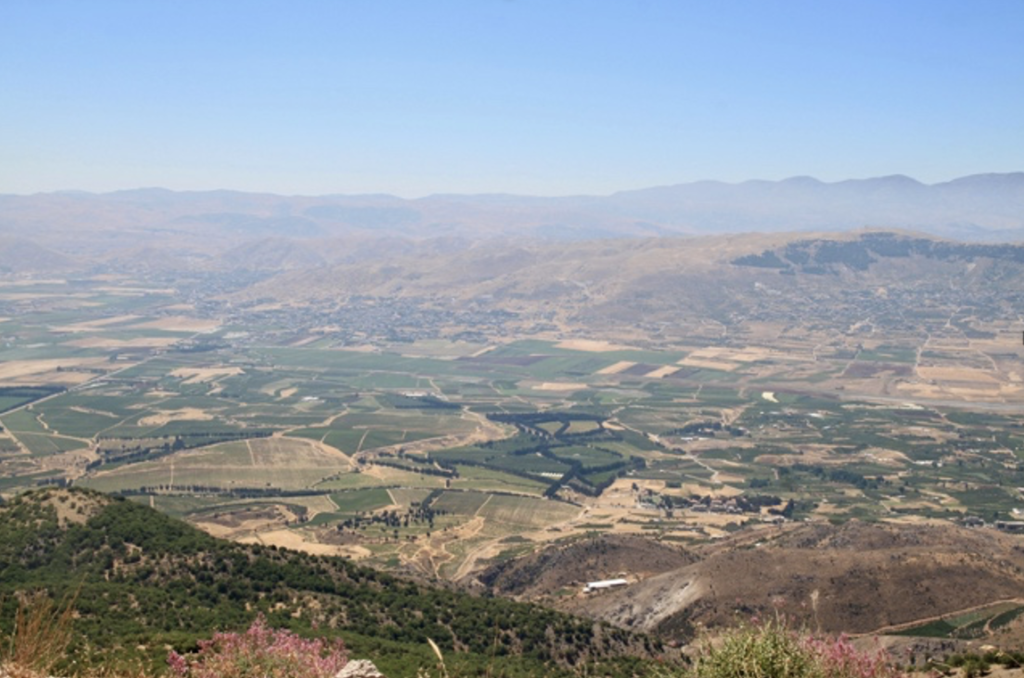
In addition to direct bombing damage, agricultural land has been contaminated by chemical agents and unexploded ordnance leading to widespread vegetation loss. Toxic residues from explosives risk seeping into soil and groundwater, making land unsafe for cultivation for years. Investigations by human rights organisations have documented Israel’s continued deployment of white phosphorus in populated and agricultural areas, most recently in early March but certainly not for the first time. This chemical has devastating consequences for water supplies; and when exposed to oxygen, white phosphorous ignites intensely, often triggering fires that spread rapidly across dry landscapes. The scale of environmental destruction is already evident:
- More than 450 hectares of forest have reportedly been destroyed
- At least 130 forest fires have been recorded in southern Lebanon
- Wildlife habitats and soil systems suffer extensive damage
The destruction of Lebanon’s forests and orchards accelerates erosion and increases vulnerability to desertification, producing ecological effects that persist well into the postwar period. These disruptions threaten food security in a country already facing widespread poverty and reliance on imported food.
Investigations in southern Lebanon have further reported unusually high concentrations of glyphosate following aerial spraying near the border, far exceeding levels associated with standard agricultural use. The scientific literature on glyphosate is contested, with regulatory assessments and independent studies sometimes reaching divergent conclusions. Notwithstanding, there is robust evidence indicating toxic, ecological, and long‑term environmental and health consequences including:
- Declining soil fertility and agricultural productivity
- Crops rendered unsafe for consumption
- Harm to wildlife populations
- Elevated long-term health risks, including cancer and respiratory illness
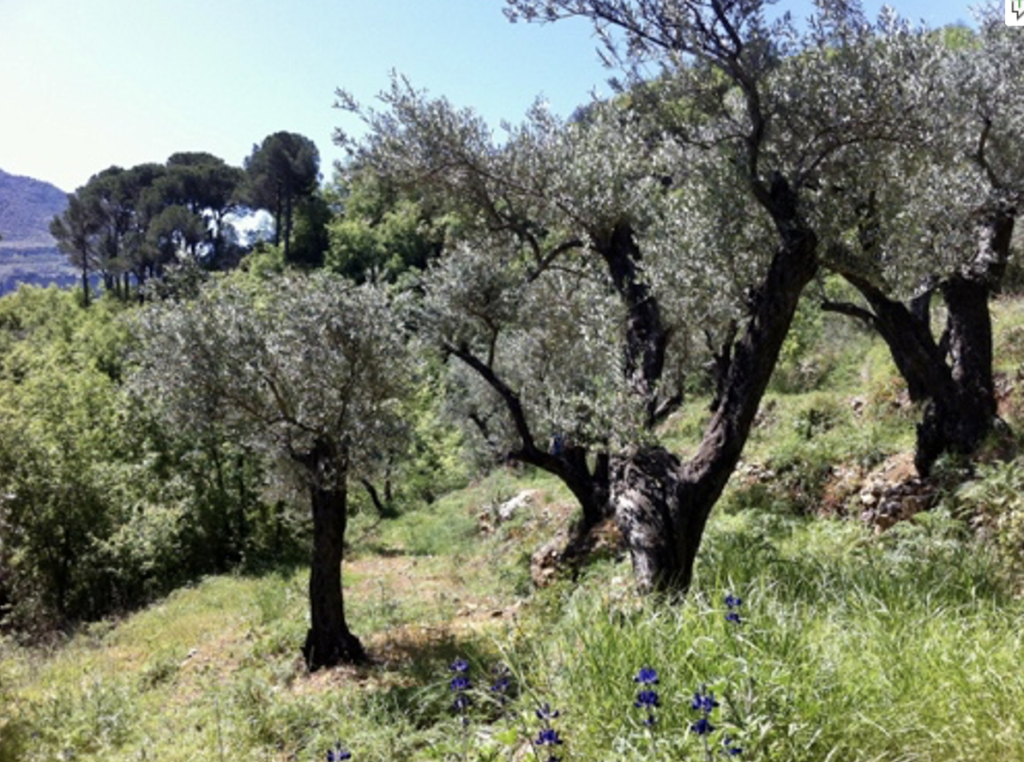
For rural communities dependent on agriculture, attacks on the environment translate directly into economic precarity and even displacement, and are also direct assaults on community heritage and livelihood. These tactics seek to render land progressively unusable and uninhabitable in an attempt to sever populations from their material and affective ties to place.
Meanwhile, Israeli military strikes have already damaged or destroyed thousands of buildings, along with water, electricity, and sanitation infrastructure. Damage to water systems heightens the risk of sewage contamination of rivers and aquifers, while the collapse of buildings generates vast quantities of rubble containing asbestos, heavy metals, and other hazardous materials. In the absence of effective waste management, debris disposal itself becomes a source of long-term environmental pollution with associated public health risks. Reconstruction further compounds these costs: cement production, material transport, and large-scale rebuilding generate substantial greenhouse gas emissions, embedding ecological harm into post-war recovery processes and extending the environmental footprint of violence well beyond the duration of armed conflict. Lebanon’s case is neither isolated nor exceptional; rather, it reflects Israel’s continued implementation of the Dahiyeh Doctrine – its military strategy that deliberately targets the civilian and environmental infrastructures sustaining life, now extended from Gaza back to the Lebanese context in which it first emerged.