Gagged in the courtroom

The scandal of Britain's courtroom gagging orders

by David Whyte

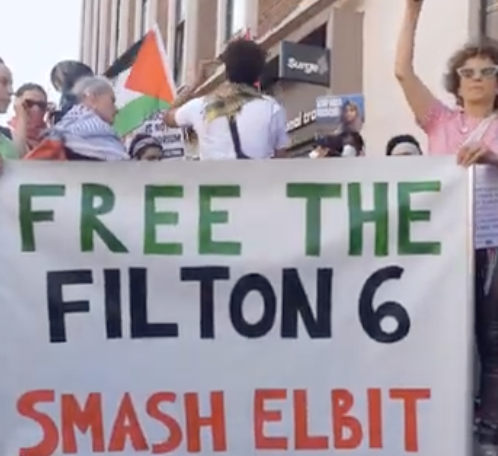
This week, the jury in the retrial of the Filton 6 convicted three Palestine solidarity protestors for criminal damage and 1 for GBH without intent. Two were found not guilty.

There are some very serious concerns about the way that the trial was conducted. There can be little doubt that the restrictions on what the jury were allowed to hear in the case were crucial to the outcome.  

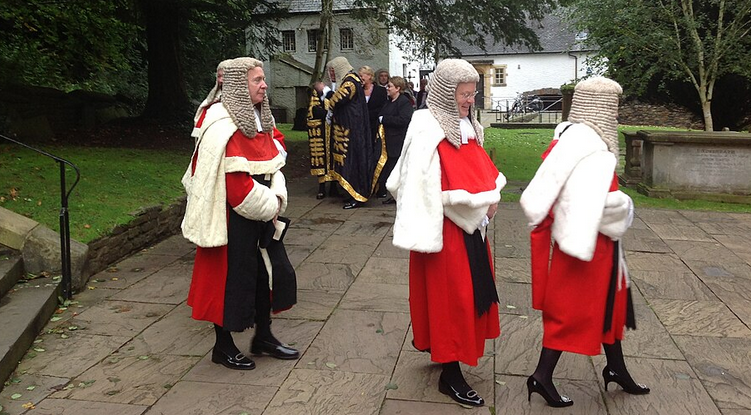
Mr Justice Jeremy Johnson ordered that a very very long list of things could not even be mentioned to the jury or in closing speeches by defence lawyers.  Since they are also governed by reporting restrictions, I am not even allowed to mention them!  Some very basic factual details of the case and the circumstances of the case were barred from being heard, along with virtually all of the defence’s explanations for why they did what they did, and how they did what they did. 

The gagging of defences – where defendents are barred from telling juries about the motivations – has become common place in climate and anti-genocide protest cases .  This is an explicitly political exercise: using judicial power to cover up the reasons that people are protesting against climate change and genocide.  Yet the judge in this case went even further with his blanket gagging orders.

Reporting restrictions mean I can’t say much about this, but I can say that this is most likely the most absurd and the most extreme level of courtroom censorship in living memory.  Judge Jeremy will no doubt be very proud of himself for that.

Indeed, he excelled himself in the decision to remand the 4 convicted protestors.  The prosecution didn’t ask for remand, but he did so anyway.  The Filton 6 had already been held on remand for 80 weeks.  More than a year and a half in jail for causing damage to an arms factory that was supplying a genocide!  And now 4 of them are back in jail even though the crown doesn’t want them there.  There are some very serious questions to be asked about Mr Justice Johnson and the cruel eccentricity of some of his decisions here.

If the judge’s conduct in this trial looks like the most extreme example of judicial repression that we have seen in recent protest cases, this is really saying something.  The exceptional restriction of defences has been the hallmark of most of the climate and Palestine action cases.  Anti-genocide protestors have been gagged from saying that the prevention of war crimes was the reason they took direct action.  In the Filton case, the court has pushed those restrictions to the limits of judicial credibility. 

Outside the court the same regime of secrecy reigned.  Trudi Warner was one of several people frog marched off by the police for holding up signs.  Trudi had already won the right to hold the same sign up (the one that read “Jurors, you have an absolute right to acquit a defendant according to your conscience”) in a landmark case in the High Court in 2024.  This case had overturned her conviction for contempt of court.  She was led off holding the same, apparently subversive, sign, this time for breaching a police-imposed section 14 protest ban.

Rajiv Menon KC, one of the defendants’ lawyers and a leading human rights barrister is facing contempt of court proceedings after he was accused of defying Judge Jeremy orders during the first trial of the Filton 6.   Menon is known as a leading human rights lawyer who worked on the Stephen Lawrence inquiry, the Hillsborough inquests and the Grenfell Tower inquiry.  His trial for contempt is another very dangerous turn in this case.  You can read the speech that caused so much offence to the judge here.

The secrecy that now surrounds British courts cases – and the sheer scope of things that cannot be mentioned inside and outside the courts – is certainly unprecedented.  We have reached a moment in which the degradation of the British court system is happening rapidly and at the same time most of this being kept out of public view.  We will do all we can to bring it back into view.

 
David Whyte is Co-Director of the Centre for Climate Crime and Justice. He is also co-author of Britain’s Political Prisoners, a new Centre report published on the 26th May.