Massacres in West Papua
Environmental devastation and state massacres in West Papua
by Free West Papua Campaign
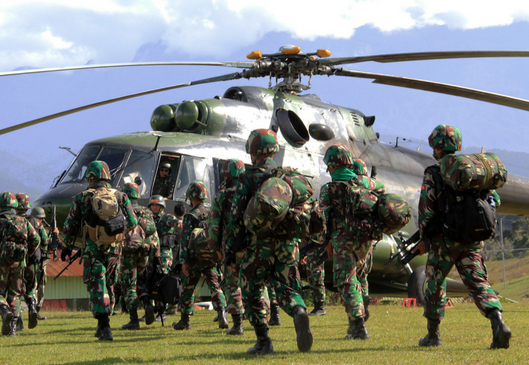
2026 has been a year of bloody destruction for West Papuans. Indonesia has intensified their military presence across the land, with more than 100 new military battalions having been established since Prabowo Subianto became President in 2024. Tens of thousands of additional troops have been deployed, and mass killings have become a frequent occurrence. In the past two months alone, more than 35 West Papuans have been murdered by the Indonesian occupation army.
- 1st April: Six Papuans, including 14-year-old Martinus Yobee, murdered after Indonesian police opened fire on a village market in Dogiyai.
- 13th–15th April: Fifteen West Papuans massacred after Indonesia bombed a refugee camp in Kembru, in the highlands Regency of Puncak. Four attack helicopters bombed the camp, accompanied by ground forces who shot indiscriminately into makeshift shelters. Civilians sleeping in their beds—including 5-year-old Para Walia—were killed as the carnage unfolded.
- 7th May: Five Papuan gold miners shot dead in Tembagapura, close to the Grasberg mine, while a toddler was reportedly injured and is in critical condition. One of the victims, 17-year-old Nalince Wamang, was hoping to raise money to fund her university studies.
- 5th May: Seven students shot and injured for wearing Morning Star Flags on their clothes during a graduation parade. Raising the Morning Star, the West Papuan national flag, is strictly illegal under Indonesian law, punishable by up to two decades in prison.
- Sixty years on, with hundreds of thousands of Papuans having been killed and raising the Morning Star now banned in West Papua, it falls to their supporters around the world to raise it on their behalf.
- 1st–6th May: Four civilians shot dead while tending their gardens in Puncak.
This escalation is inextricably related to the unparalleled environmental devastation being inflicted on West Papua by the Indonesian state and foreign corporations.
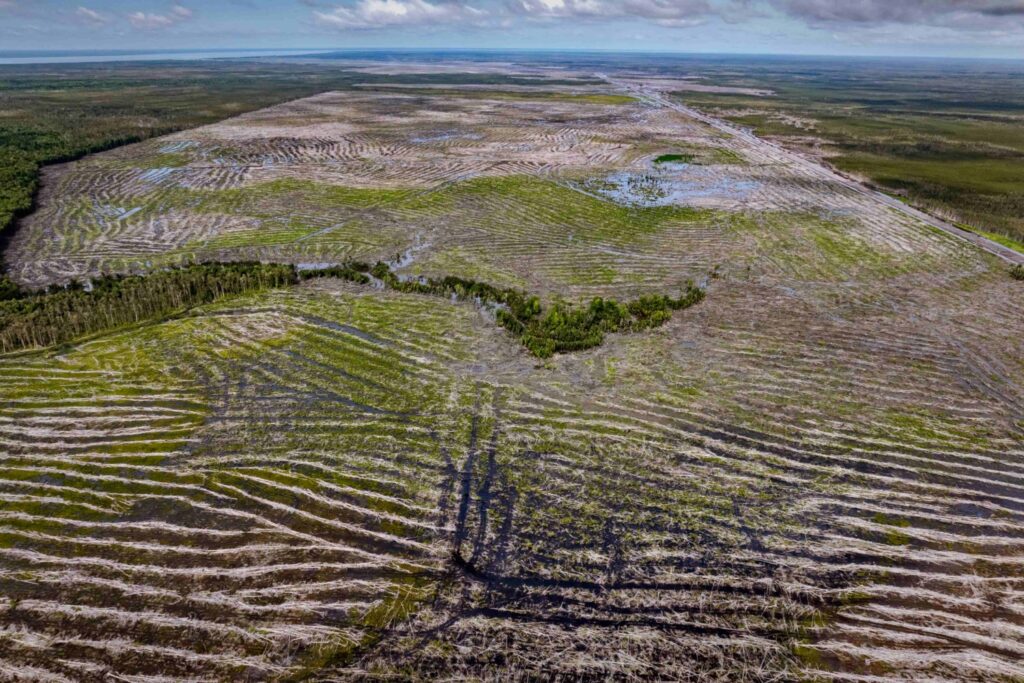
Construction continues on the largest deforestation project in human history: three million hectares of sugarcane and rice production in Merauke, close to the Papua New Guinea border.
Thousands of soldiers have been deployed to guard the project, which has already displaced a number of Papuan villages. ULMWP President Benny Wenda has described it as a “planet killer” and he is right: upon completion, it will more than double Indonesia’s existing CO2 emissions.
More than 100,000 West Papuans remain displaced as a result of Indonesian militarisation and environmental destruction. Much of this displacement has taken place in rural areas like Intan Jaya, in the Papuan highlands, where the Wabu Block gold mine has led to the establishment of more than 40 new military checkpoints. Many Papuan refugees have been displaced multiple times over.
After the massacres this month in Puncak and Dogiyai, activists held a series mass demonstrations against increasing militarisation across Papua. Unsurprisingly, these were met with brutal repression, as police dispersed protesters using water cannons, tear gas, and beatings.
If you are UK-based and a trade union member, you can join Workers for West Papua and pass our template motion at your local branch. Email lfwp@freewestpapua.org. The Boycott for West Papua campaign will be holding its second strategy meeting soon. If you would like to get involved, please email boycott@freewestpapua.org or message the campaign on instagram.