Opposition to British policy in Ireland from the 1960s until recently was dealt with differently, and in many ways it was harsher. Countless Irish people were detailed without trial, were put on trial without jury, and collusion between the British state and loyalist paramilitaries led to surveillance, torture and assassinations of people opposed to the British military occupation. In the 1940s and the 1950s, the British government presided over a major effort to place communists and trade unionists under surveillance.
And of course there is a very long line of people who were prevented from entering the country – both from the right and the left – because of their views, and because those views were regarded as incendiary, not in the interests of the British state, or indeed “conducive to the public good.” Luminaries in this list include the Chilean poet Pablo Neruda and Irish writer Brendan Behan. Paul Robeson was very close to making this list in the 1960s. We have no way of knowing how often this happens now, but is certainly very unusual indeed for the British state to deny entry to an academic who for criticising another state’s atrocities and for encouraging opposition to that state.
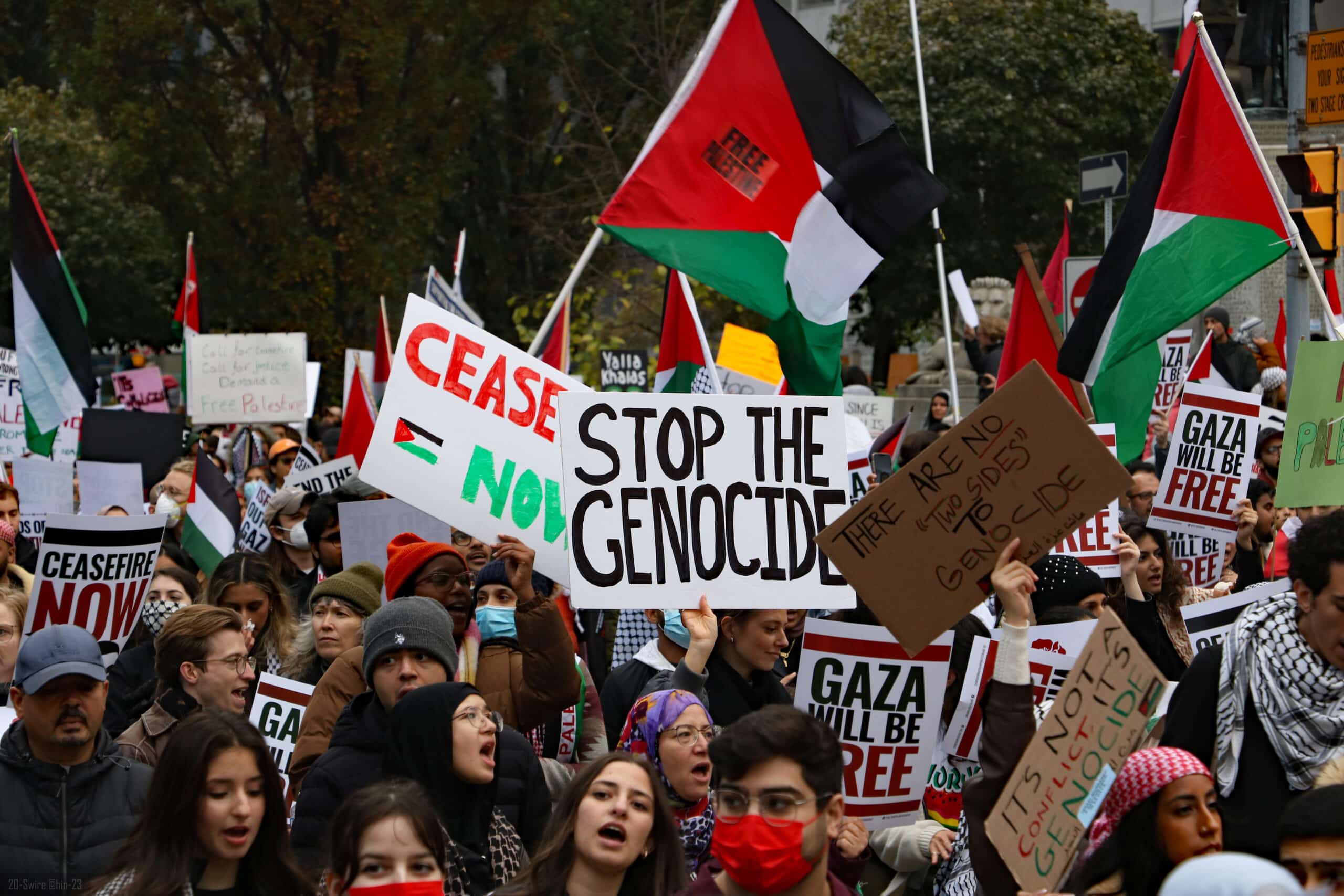
We have recently published work on the criminalisation of climate action and anti-war protestors, including those who were members of the former Palestine Action. We have organised 3 events and panel discussions with Huda Ammori who is leading the case against the British government’s proscription of Palestine Action in the Supreme Court on 4th November. We are committed to keeping Huda Ammori included in our discussions of the criminalisation of protest.
We will be seeking answers from the Home Office and from Andy Burnham’s office about why such an esteemed and important academic colleague is being silenced and excluded from Britain. And we will certainly continue to condemn atrocities of the Israeli government and the British government’s denial of the right to oppose and speak out against Israeli’s atrocities in Gaza and the West Bank.
David Whyte is co-director of the Centre for Climate Crime and Justice.