What’s the problem with data centres?
What's the problem with data centres?
by Bill Spence
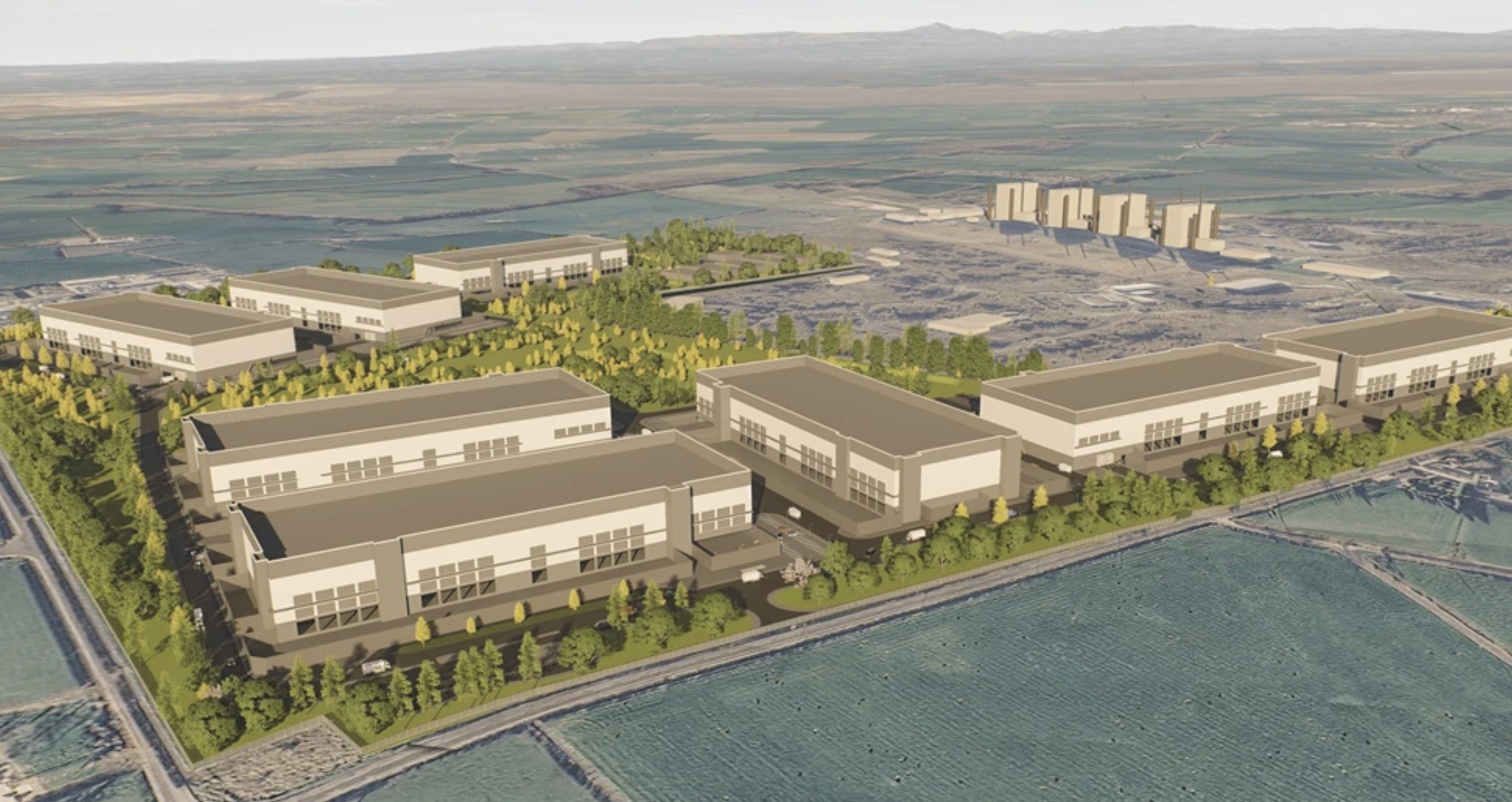
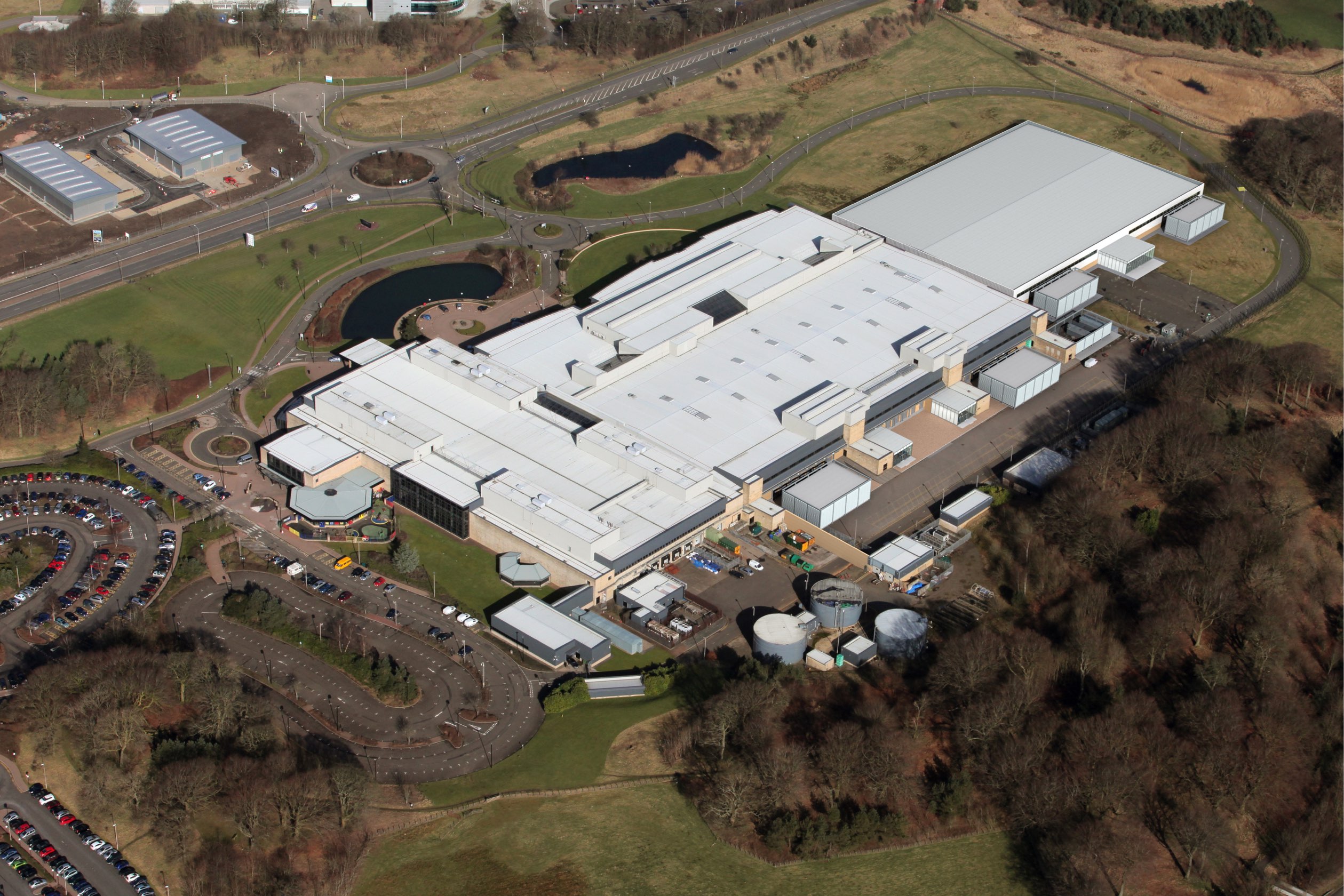
Artificial intelligence (AI) is spreading fast and its ravenous appetite for “compute” – computation by banks of microchips – requires feeding with a rapid expansion of hyperscale data centres. The UK government is now clearing the way for this expansion by taking data centre planning approvals away from local authorities and giving them to the Secretary of State. But what will be the impact of these huge projects?
The growth plans and resultant energy and water demand of data centres are astonishing. The existing UK data centres use about 2 gigawatts (GW) of electricity. They already use significant power – for example, the cluster of data centres in Slough uses more than six times the electricity of that used by its population of 167,000 people.
But this is dwarfed by what is in the UK pipeline – there are currently 315 data centres seeking to connect to the National Grid. They represent 73GW of demand – more than the peak energy demand of 45GW for the whole country. Many proposals are speculative, but 71 have reported that they have achieved final financial commitments. These amount to 20GW – nearly half the UK’s entire electricity usage. Regional demands are just as extreme – in Scotland the planned data centres would use more than 7GW of electricity – around three times Scotland’s current consumption. The National Grid will not be able to keep up with the demand and delays mean that many operators are turning to gas turbines for on-site power, with a consequent large rise in carbon emissions.
The energy demands of new data centres has pushed up prices in the US, and gas usage increases emissions. Peak water demands from the centres will place an increasing strain on already stretched supplies in parts of the UK. Land usage for data centres can displace housing developments and take investment away from other businesses. There is a plethora of further concerns about the wider impact on communities and the natural environment.
People are also increasingly aware that AI is a technology that seems likely to result in ever greater reliance in our daily lives on powerful and unaccountable US corporations, more job losses, increased surveillance and control of people by government and corporations, and an even greater prevalence of the bigotry and propaganda already seen on social media, hypercharged by powerful AI methods. Plans to plant giant warehouses of energy-guzzling microchips across the country feel like a final straw.
In the US data centre developments have been pushed through against the objections of communities and have involved secret deals. In the UK, the Secretary of State, not local councils, will now approve data centre developments. The UK government meanwhile has met 137 businesses over AI datacentres but not a single environmental group.
AI is an incredibly powerful tool that can be used for a great deal of good. But it is also out of control – the big tech companies are frantically expanding to corner the market and are cavalier about the dangers and ill-effects of AI. They have made overblown promises of benefits to boost their ability to borrow and their share market valuation, and the bursting of their AI bubble risks tipping us into another recession. Meanwhile governments are in thrall to this new technology, and gripped by a fear of missing out.
But public opposition to this uncontrolled expansion is growing fast. A major demonstration in Edinburgh will demand an immediate moratorium in Scotland this weekend. In the recent US mid-term elections, dozens of votes restricting data centre expansions were passed. The US experience shows how popular organisation can influence this industry to behave more responsibly, and we can expect similar developments in the UK in response to the plans to rapidly expand data centres here.