


Switzerland’s climate paradox
Switzerland's climate paradox
by Stefanie Khoury
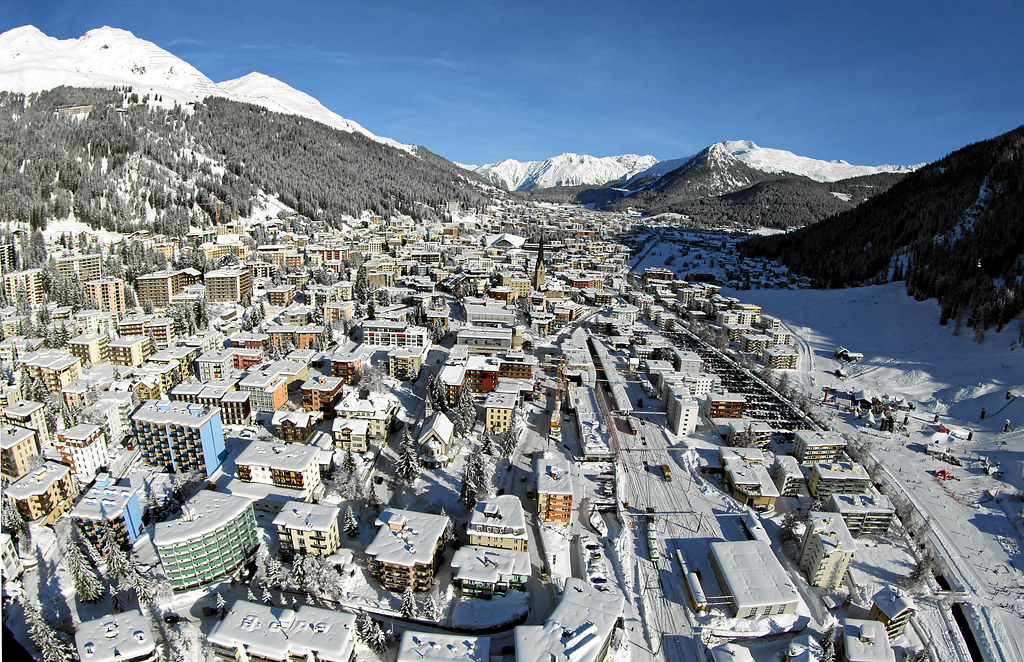
The 56th World Economic Forum took place this January, as always, in Davos, Switzerland. While the event generated extensive commentary, it was the omissions that proved most revealing. Despite climate change remaining the defining crisis of our time, major speeches by world leaders failed to mention it even once, an absence highlighted by the advocacy group We Must Act Now. This silence is not incidental. It reflects a deeper structural contradiction: global economic governance continues to prioritise the preservation of financial power and capital accumulation over the imperatives of ecological survival.
This contradiction is especially visible in Switzerland itself. Although a small country, Switzerland exerts an outsized influence on the global political economy. It is a major centre of private banking and cross‑border wealth management and hosts a dense concentration of multinational headquarters. Switzerland operates, in many respects, as a critical node in the architecture of global finance.
Despite international climate engagements, Swiss‑managed capital remains overwhelmingly tied to fossil fuels and carbon‑intensive industries. And Switzerland is not merely a global conduit for capital; it is also a landscape defined by profound ecological sensitivity. Switzerland therefore sits at a unique intersection of economic influence and climate vulnerability. It is both a producer of global financial conditions that intensify climate breakdown and a nation increasingly exposed to the environmental consequences of climate collapse.
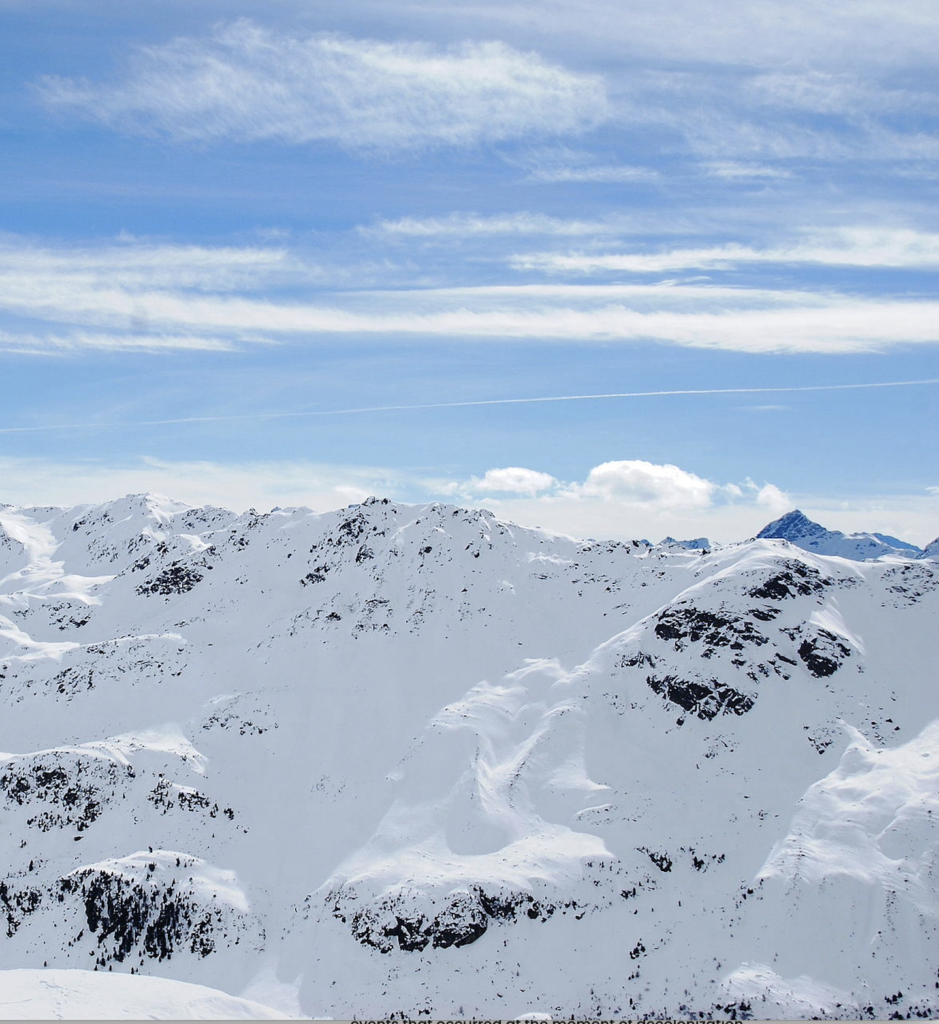
The Alps are warming at roughly twice the global average, and the consequences are unmistakable. Scientific assessments reveal that:
- Swiss glaciers have lost over 60% of their volume since 1850.
- Switzerland’s glaciers are melting at an alarming rate, with a 10% decrease in volume between 2022 and 2023.
- 1000s of small glaciers have already disappeared in Switzerland.
The consequences are both ecological and social. Glaciers regulate water supply, stabilise mountain landscapes, and shape regional weather patterns. Their retreat contributes to increased geological hazards, including landslides and rockfalls tied to collapsing permafrost, exemplified by recent destructive events at Birch Glacier that forced evacuations in the village of Blattens in the Valais; reduced summer water availability, with implications for agriculture, hydropower, and river ecosystems; and the formation of new glacial lakes, raising the risk of outburst floods. The loss of “eternal ice” is reshaping Switzerland’s environment and how these transformations connect to wider global climate trends.

Yet instead of addressing the root causes of glacier loss policy discussions appear to increasingly focus upon exploiting newly exposed terrain for additional hydropower development. This shift risks normalising climate damage as a resource opportunity and reframing ecological loss as a site of potential financial gain.
Although Switzerland accounts for only a small share of global territorial emissions, its financial sector has a far larger outsized and under‑scrutinised climate impact. One study estimates that the Swiss financial sector is responsible for “…financing greenhouse gas (GHG) emissions of roughly 1,100 million tonnes of CO2 equivalents (CO2eq) per year, more than 20 times the amount of Switzerland’s domestic emissions, making up around 2% of global GHG emissions”.
Swiss banks, pension funds, and asset managers direct capital across global markets, shaping which industries grow, which technologies stall, and which forms of energy infrastructure receive long‑term financing. In doing so, they exercise substantial influence over the carbon intensity of the world economy. The federal administration’s website notes that:
Switzerland is among the largest trading hubs for oil and petroleum, metals, minerals and agricultural products, with fuel the most important of these. Switzerland is a global market leader in sugar, cotton, oilseed, coffee and cereals trading. However, most of the goods never reach Switzerland, but are bought and sold beforehand by Swiss-based companies…
Companies headquartered in Switzerland play a decisive role in shaping global supply chains. Their decisions influence agricultural practices, shipping and transport emissions, resource extraction, and the environmental standards applied across regions far from Switzerland itself.
Despite sustained scrutiny from Swiss advocacy groups such as PublicEye and AllianceSud, which have long highlighted the ecological and human rights harms tied to Switzerland’s commodity‑trading and financial sectors, meaningful political progress has remained limited.
Nonetheless, using Switzerland’s direct-democratic system, they continue to bring these issues to voters through popular initiatives. For example, the 2020 initiative which won 50.7% of the popular vote but failed the Cantonal majority (revived in January 2025 with sufficient support to advance to a nationwide vote).
This civic mobilisation reflects a widening public recognition of Switzerland’s climate responsibilities, a concern that now extends to international forums such as the European Court of Human Rights. Persistent investment patterns misaligned with the Paris Agreement were central to Verein Klimaseniorinnen Schweiz and Others v Switzerland, where applicants underscored the financial sector’s contribution to global emissions (§§71, 80) and called for binding, science‑based measures in place of the prevailing voluntary regime. Although Switzerland has enacted legislation intended to steer financial flows toward climate goals, implementation remains voluntary. Simultaneously, Switzerland’s increasing reliance on carbon offsets channels resources toward compensation rather than structural decarbonisation.
Switzerland, together with Japan, has been hailed a pioneer in carbon offsetting, or the transaction whereby a country compensates another for its carbon footprint. Carbon offsetting mechanisms have received criticism not only because it does not actually lead to carbon emission reduction, but also because they tend to reproduce a neocolonial paradigm by enabling wealthy states and corporations to continue emitting while shifting the burden of mitigation, land use, and ecological risk onto communities, often Indigenous, across the Global South.
Switzerland is often portrayed as a model of environmental stewardship, yet glacier collapse, agricultural stress, and climate‑driven hazards show that even wealthy states are vulnerable to planetary change. At the same time, the scale of Switzerland’s financial and multinational sectors gives it a global climate footprint far exceeding its territorial size. Decisions made within Swiss institutions on investment, corporate governance, hydropower expansion, or glacier‑risk planning, shape climate outcomes both domestically and internationally. Switzerland’s climate strategy relies heavily on voluntary measures with substantial gaps between its stated goals and its actual impacts. This duality makes Switzerland an important case for understanding how small states with concentrated economic power can influence global climatic futures, highlighting both its growing vulnerabilities and its wider responsibilities.