Fighting Brazil’s cruel and destructive farming system
The fight to defeat Brazil's cruel and destructive model of agriculture.
by Vilson Santin
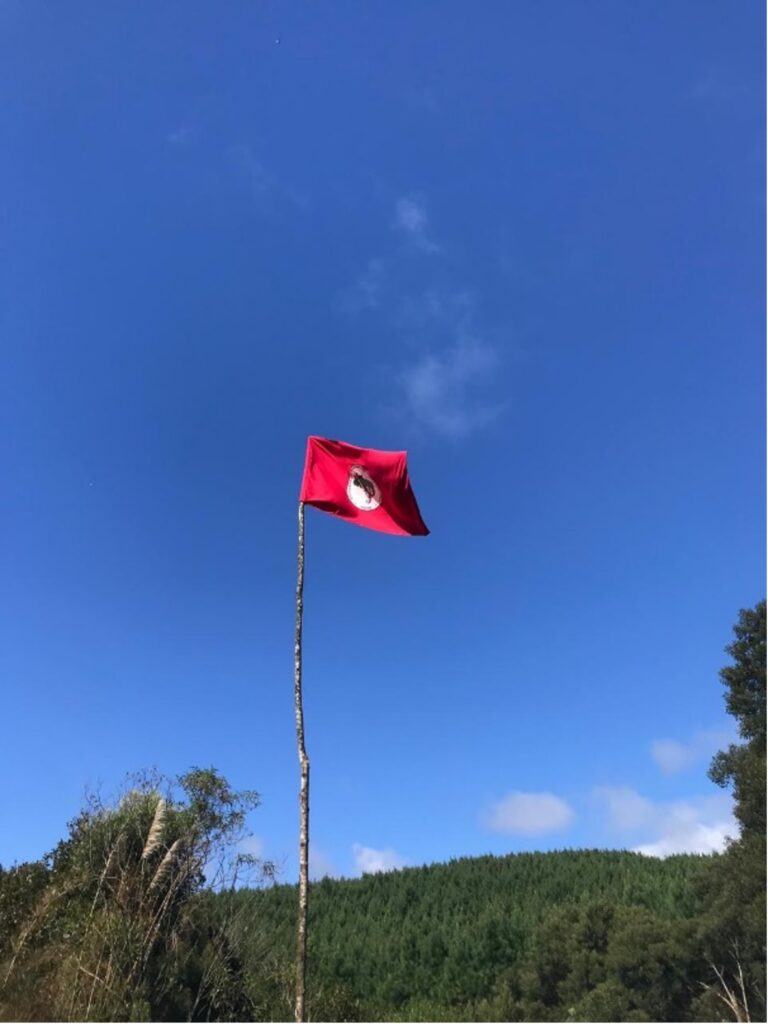
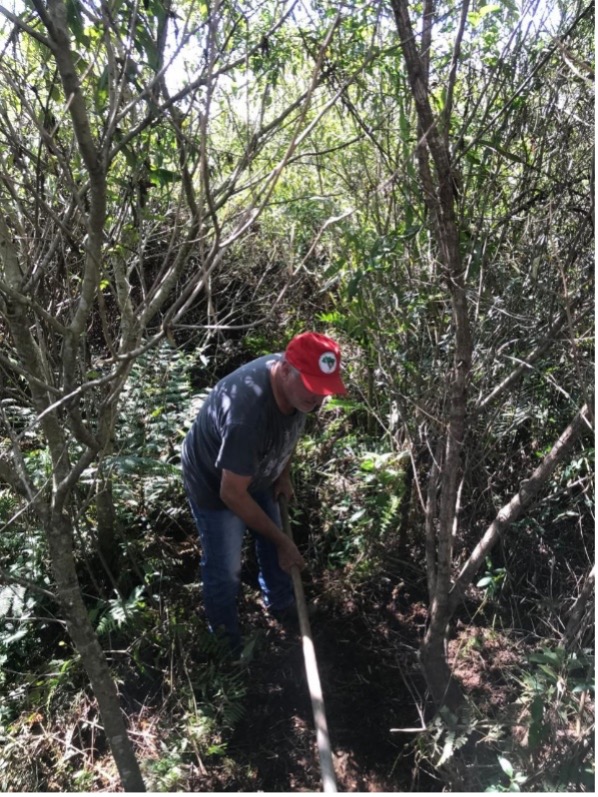
In the Movimento dos Trabalhadores Rurais Sem Terra (MST), we wage a historic struggle that is deeply committed to defending nature, advancing agrarian reform, and producing healthy food for the people. Our mission involves work, income, care for the land, and care for people.
What we face today is an extremely cruel and destructive model of agriculture. Agribusiness, as it is currently structured, destroys nature, the environment, and biodiversity. It is based on monocultures—soy, sugarcane, cotton, and pulp production—that concentrate land, income, and wealth in the hands of a few. It is an export-oriented model, very similar to the logic of the colonial period.
Moreover, it is a model that is heavily subsidized by the State. Without this strong support, it would not be sustainable.
It is also a model based on the massive use of pesticides, chemical inputs, and toxic substances that contaminate food, soil, and water, causing serious harm to both human health and the environment. Research clearly demonstrates this.
In our region, in the state of Santa Catarina, this becomes very concrete with the expansion of monocultures of pine and eucalyptus. These species were introduced from outside, adapted very well here, and generate high profits—but in a predatory way.
These monocultures concentrate land in the hands of large corporations, such as Klabin and others, and lead to real environmental depletion: they drain water resources, impoverish the soil, and make life around them unviable. Where pine plantations exist, nothing else can grow—there is a saying that not even a snake can survive beneath them.
We have already carried out many actions in the state and across Brazil. We have organized seminars, mobilizations, and also symbolic occupations to denounce the severity of this model. Because it benefits two or three large corporations, while the people are left in misery, poverty, and underdevelopment.
We hold a very critical perspective, but we also engage in concrete struggle. We continue to denounce this situation to the government and to society.
This model also ends up taking land from small farmers. At first, companies offer incentives and apparent advantages. But when it comes time to harvest, prices drop dramatically—because the same companies control the market. And then the small farmer is left in a desperate situation.
We have issued many warnings about this. We have worked within communities, organized seminars and occupations. But many ended up giving up their land, under the illusion of easy profit.
This has destroyed entire communities. The community of São Felipe, in Ponte Alta, is one example—it has virtually disappeared. And it is not the only one; many others have been surrounded and suffocated by pine plantations.
Once this happens, how can these lands be recovered? The soil becomes degraded, water sources are compromised. Recovery is extremely difficult. It is a deeply predatory model.

That is why we affirm: another model is necessary. Agrarian reform is the solution—popular agrarian reform.
This means democratizing land, strengthening peasant family agriculture, producing healthy food for the people, generating work and income, caring for nature, and rebuilding these territories.
This is a class struggle, a historic, vast, and heroic struggle. We know this is an unequal struggle. The State is often aligned with this dominant model. The balance of forces is unequal, and we are fully aware of that.
But this does not make us retreat.
We will not passively accept this reality. We will continue fighting for land, for popular agrarian reform, and for a new model of agriculture—one that is sustainable, balanced, and oriented toward the needs of the Brazilian people, not a handful of capitalists.